
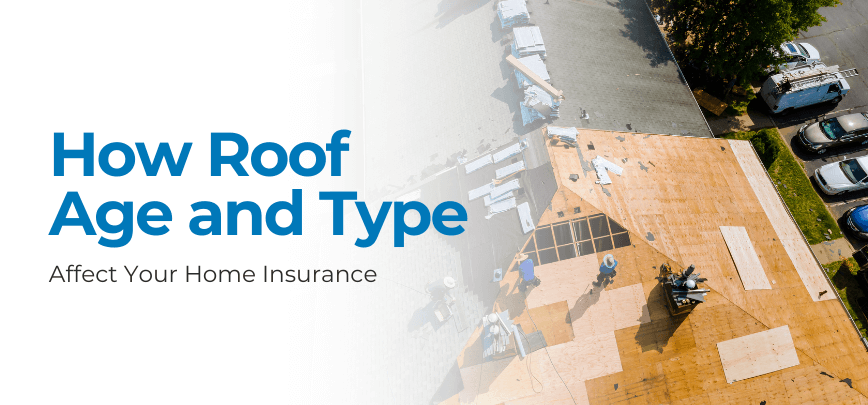
A roof over your head isn’t just a saying. In Ontario, it’s what stands between your home and some of the harshest weather around. From heavy snow and ice to high winds and driving rain, your roof works year-round to protect what matters most. While most homeowners understand that roofs play a role in home insurance, what’s often overlooked is how strongly roof age, material, and condition influence coverage and claim outcomes.
Why roof age matters
As a roof ages, the likelihood of damage increases. For this reason, many insurers apply surcharges once an asphalt shingle roof reaches 20 years old, even if it appears to be in good condition. Some insurers begin limiting roof coverage as early as 10 years, settling claims on an age-adjusted basis rather than full replacement cost.
An age-adjusted settlement means depreciation is applied to the roof’s value at the time of a claim. In some cases, depreciation can be significant, reducing the amount paid toward repairs or replacement.
Ontario weather puts roofs to the test
Ontario’s climate is especially demanding on roofs. Heavy snow accumulation, freeze-thaw cycles, and strong winter winds all accelerate wear. Spring rain and summer storms add further stress, increasing the risk of leaks and water damage.
How roof type affects coverage
Roofing material also plays a key role in how a policy is rated. Asphalt shingles typically face stricter age guidelines, while materials such as metal, slate, tile, or concrete are often accepted for longer periods, sometimes up to 40 or 50 years, depending on the insurer and the roof’s condition.
Even with longer-lasting materials, age-based depreciation may still apply once certain thresholds are reached. Understanding how your roof is classified helps clarify how a claim would be handled if damage occurs.
Have you updated your roof?
One of the most common issues we see is homeowners replacing their roof without notifying their insurance broker. If the insurer isn’t informed, the policy may still be rated as though the roof is older.
This can lead to:
- Higher premiums than necessary
- Coverage restrictions that no longer apply
- Reduced claim settlements
If you’ve replaced or upgraded your roof, it’s important to ensure your policy reflects that update.
If your roof hasn’t been replaced
If your roof is approaching or beyond key age thresholds, it doesn’t mean you’re uninsured. However, it may result in higher premiums or more limited coverage. Reviewing your policy early allows time to plan ahead and avoid unexpected changes after a loss.
The bottom line
Your roof does more than keep the weather out. It plays a direct role in how your home insurance is priced and how claims are settled. Keeping roof information accurate and up to date helps ensure your coverage reflects your home as it stands today.
If you have questions about your roof, recent updates, or how your policy is structured, speak with your Merit broker to review your coverage and make sure nothing is overlooked.